
The incredible adventures of the Lion of Cythera
The powerful marble archaic lion that dominates the Archaeological Museum of Cythera has endured a true odyssey - changing hands and homes many times over before finally finding a permanent shelter.
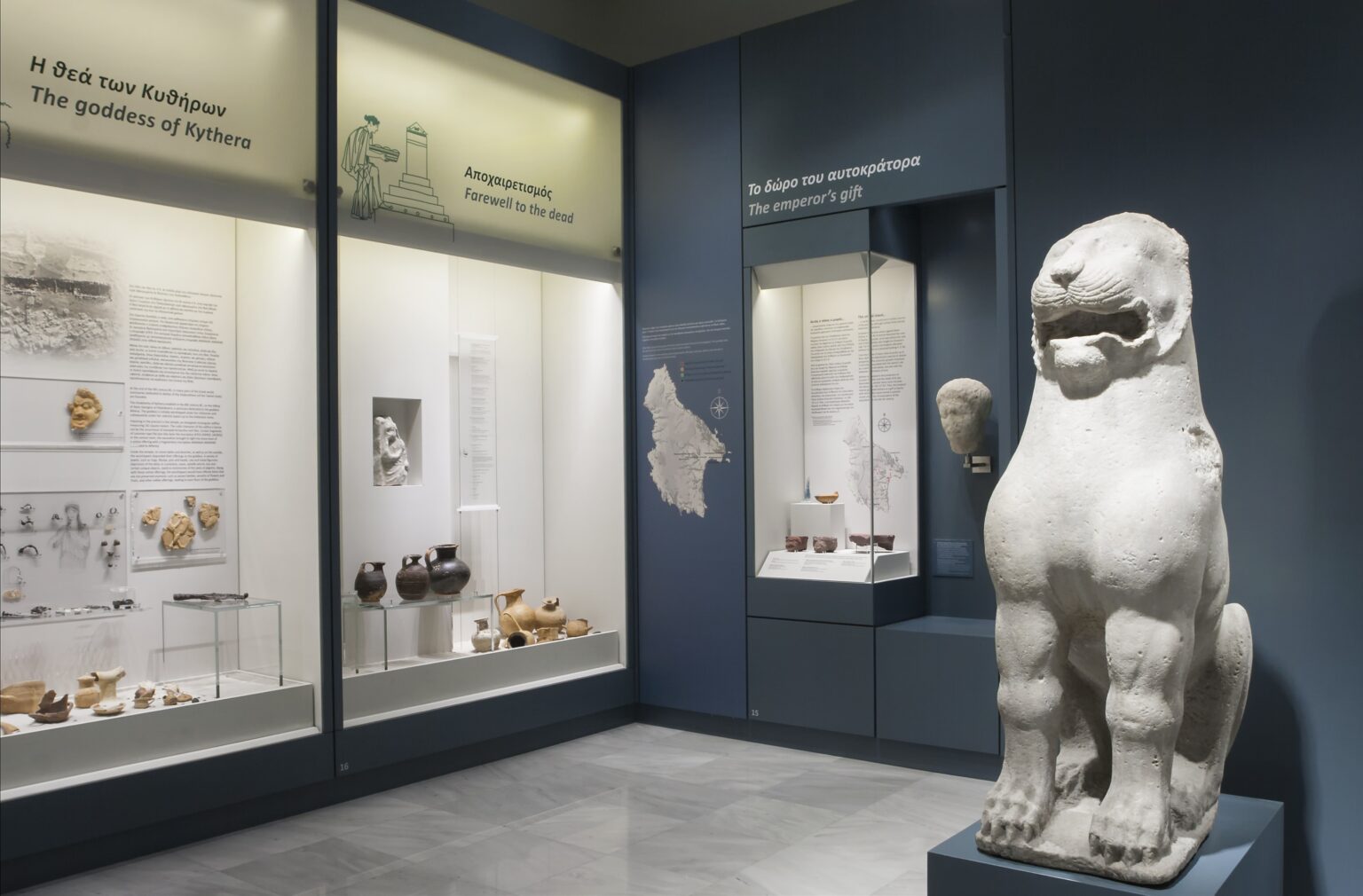
With its menacingly open mouth, muscular legs, and sturdy, watchful stance, the Lion of Cythera captivates visitors the moment they enter the museum. Yet before finding its rightful place here, this impressive archaic statue – dating to around 550 BC – went through a series of extraordinary adventures.
Likely originating from the area of Palaiopoli, where ancient Scandeia, the port of Cythera’s capital, once stood, the lion adorned the battlements of the Venetian fortress at Chora for centuries. Though it remains uncertain how or when it was placed there, one version suggests that the Venetians erected it on the castle walls around 1660, perhaps as a substitute for another iconic beast: the winged Lion of Saint Mark, which had once stood in nearly the same spot but was destroyed by the French in 1797.
A popular attraction in the early 20th century, as shown in photographs of visitors embracing the ancient feline, the Lion proudly guarded the Castle of Kythera until the years of occupation, when it shared the fate of many Greek antiquities as spoils of war.
A popular attraction in the early 20th century, as shown in visitor photographs posing alongside the statue, the lion proudly guarded the castle until the German occupation. It consequently shared the fate of many Greek antiquities, seized as spoils of war: on June 6, 1941, a German commander ordered soldiers to remove it and ship it to Piraeus, ultimately destined for Germany.
Scattered testimonies place the displaced lion in the yard of an old brickyard, in a German park, or even on display, for a time, at the Archaeological Museum of Berlin – until 1962, when it was rediscovered in a warehouse in Freiburg.
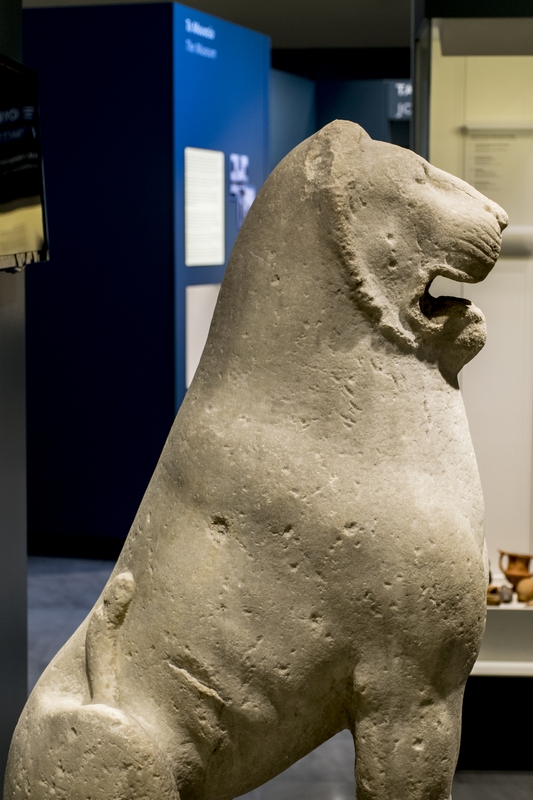
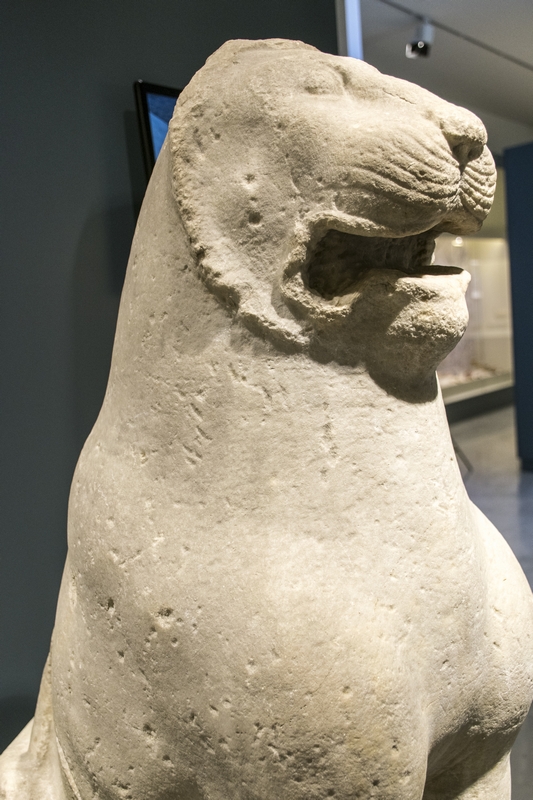
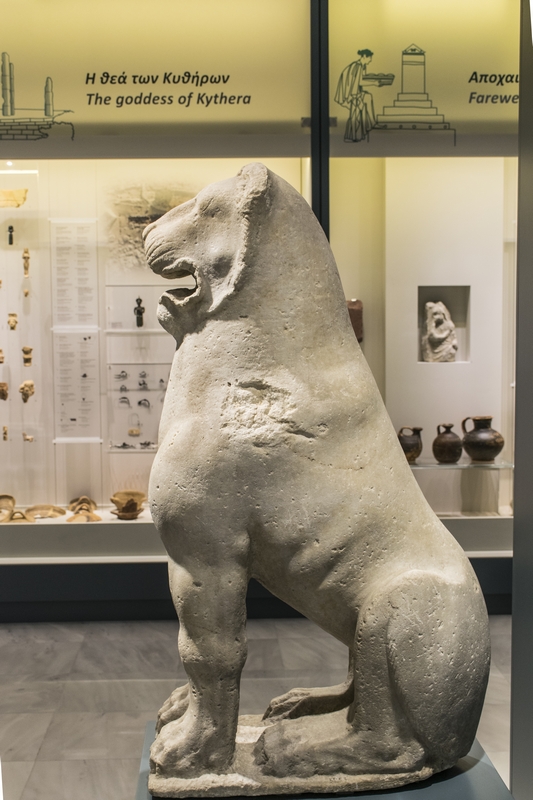
Fortunately, a request for its repatriation was granted by the German Democratic Republic, and the lion was finally sent back to Greece, initially housed in the National Archaeological Museum of Athens. In 1983, it returned permanently to its birthplace aboard a Navy vessel. Yet its trials were not over: the 2006 earthquake that struck Cythera forced its relocation once again to the beloved Chora fortress, where it was displayed in the Museum of Coats of Arms until the Archaeological Museum of Cythera was repaired.
Fully renovated and modernized, the Museum welcomed back its most famous and well-traveled resident in 2016, thus completing the lion’s long and storied odyssey.
Continue reading
Η αρχαιολογία των Κυκλάδων
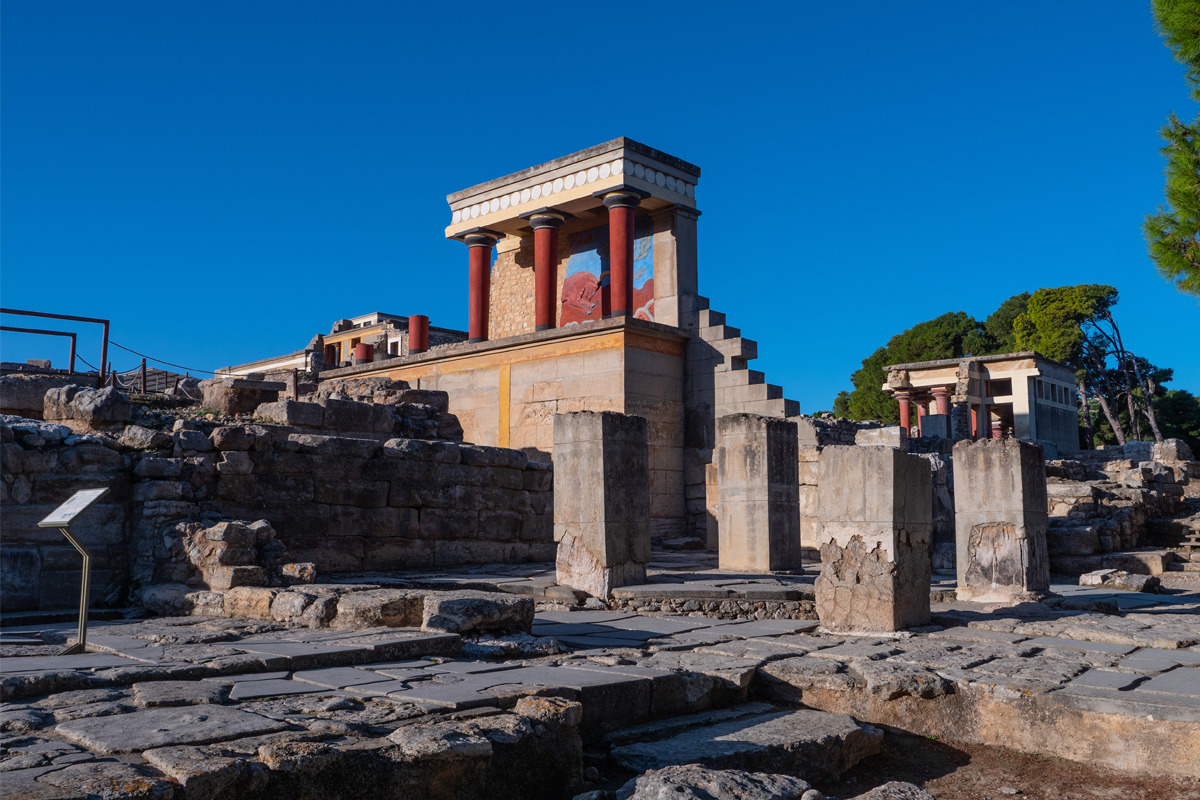
Η μετάβαση από την Νεολιθική Εποχή στην Εποχή του Χαλκού, στο τέλος της 4ης χιλιετίας π.Χ., σημαδεύεται από βαθιές τομές στον πολιτισμό και την οργάνωση των κοινωνιών του Αιγαίου.
Ο Τύμβος των Μακεδόνων
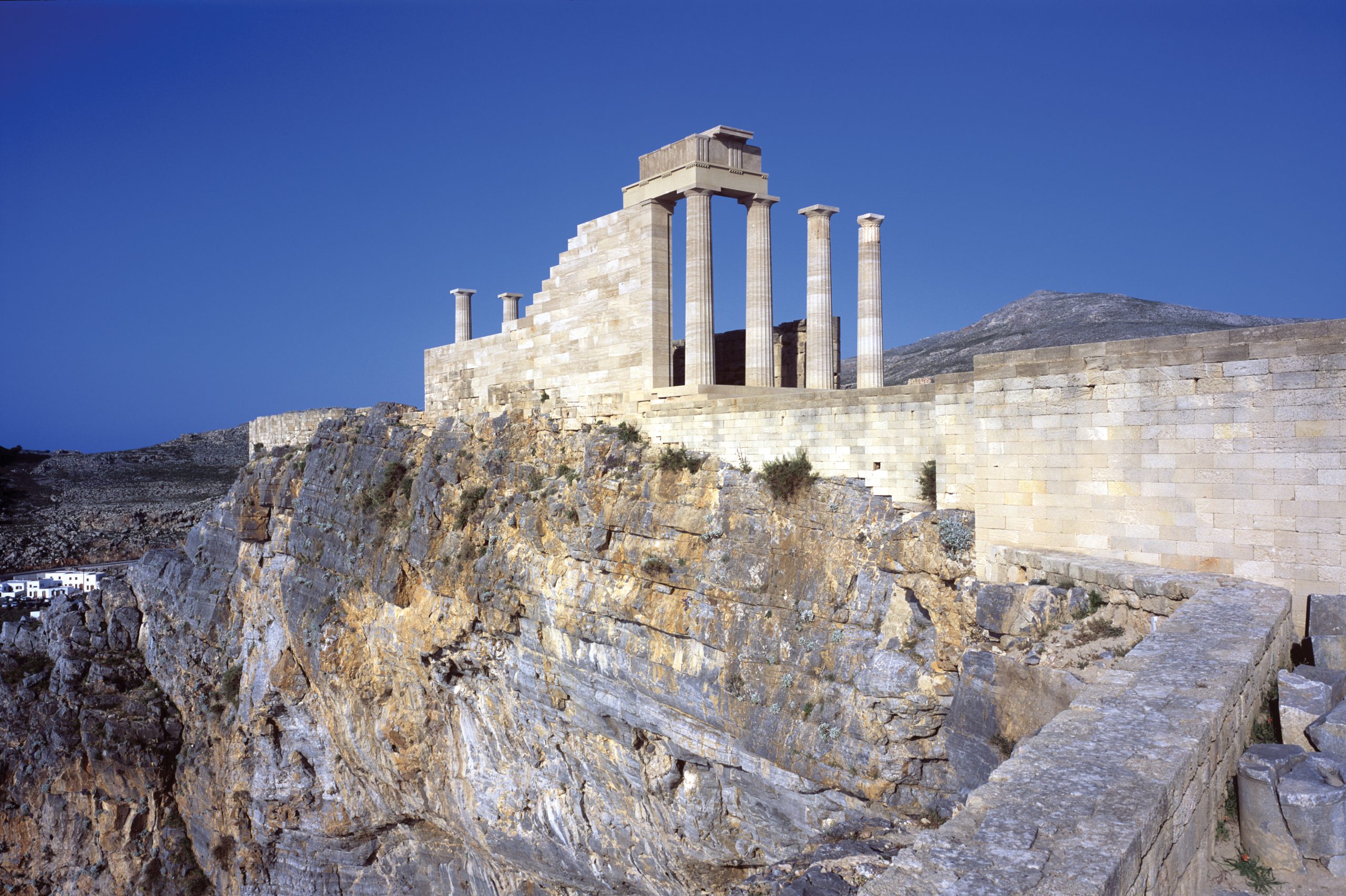
Στην περίοδο της μέγιστης ακμής του, ο αρχαίος ελληνικός πολιτισμός διαδόθηκε σε ολόκληρη τη Μεσόγειο και μεγάλο τμήμα της Εγγύς Ανατολής. Η πραγματική του κοιτίδα, όμως, ο τόπος όπου γεννήθηκε και ανδρώθηκε, ήταν το Αιγαίο Πέλαγος.