
The well-guarded secrets of producing an exact museum copy
Highlights
How are exact copies of emblematic museum exhibits made and what do we need to know about this clandestine process? What separates the good from the bad and what makes an exact copy a stand-alone work of art?
Let’s take things from the top: the concept of an exact copy is nothing new and it’s exactly what it says: a faithful reproduction of an ancient artifact that mirrors the original, down to the finest detail. The Romans had an insatiable appetite for ancient Greek copies. They discovered Hellenistic arts upon conquering the Eastern Mediterranean basin and were instantly enthralled. Unable to take home every single statue they fell in love with, they shipped what they could and copied the rest.
Thanks to their undying passion, copies of ancient works survive today that would otherwise have been lost through the centuries, due to the widespread practice of recycling bronze – meaning that many bronze statues were melted down so their material could be reused for the next masterpiece.
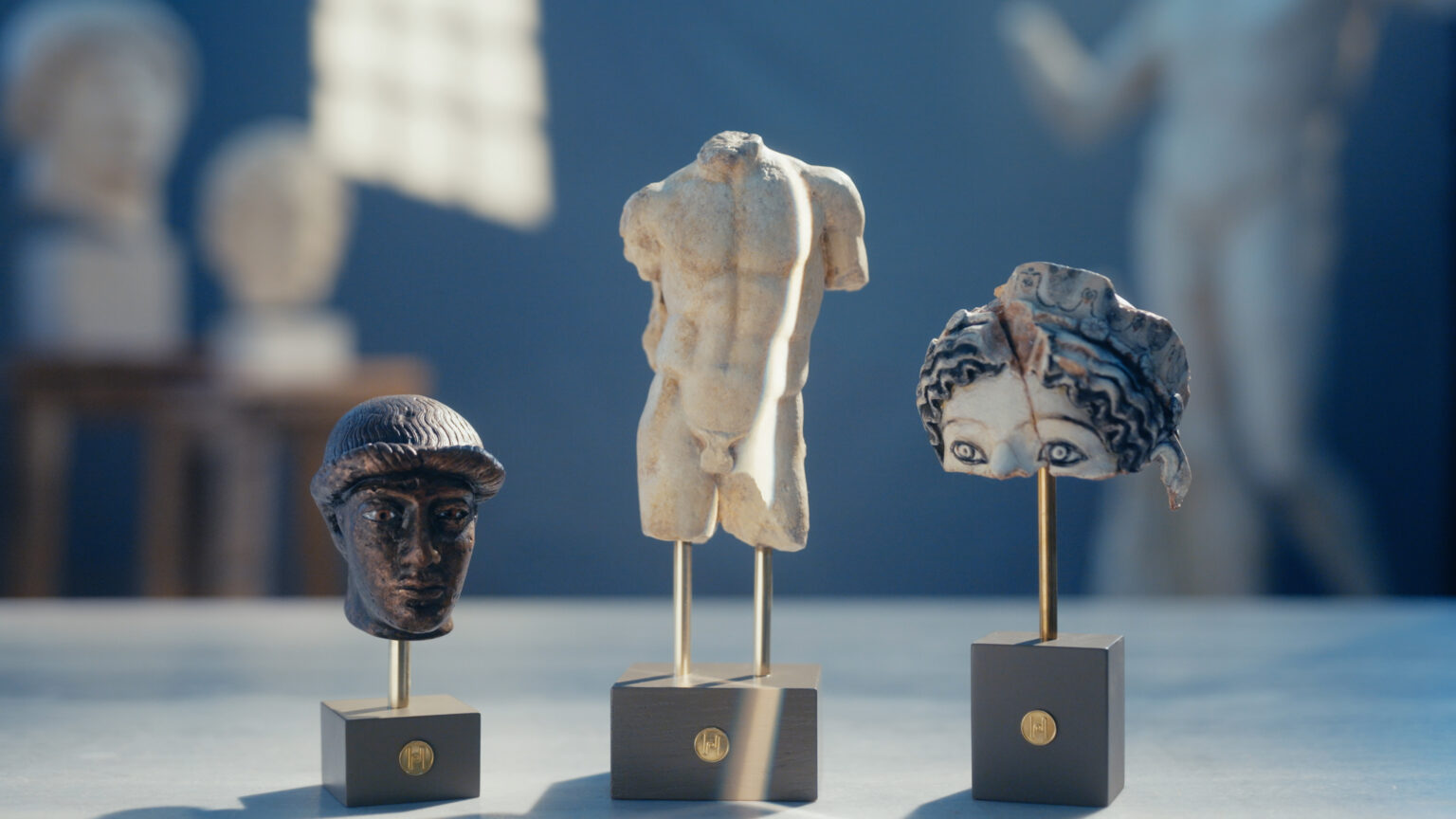
An exact copy is a work of art in its own right. It’s a handcrafted object that’s imprinted with time. The time that went into making it, as each one is a true labor of love and the era it originated in, promoting ancient Greek heritage every step of the way.
Exact copies continued to serve their purpose throughout Greek history and proved especially indispensable when the National Archaeological Museum was established in 1893. Shortly after it was announced, the Museum was overrun with antiquities arriving from every corner of Attica and they used plaster molds to piece everything together, while at the same time building up the Museum’s own plaster cast gallery.
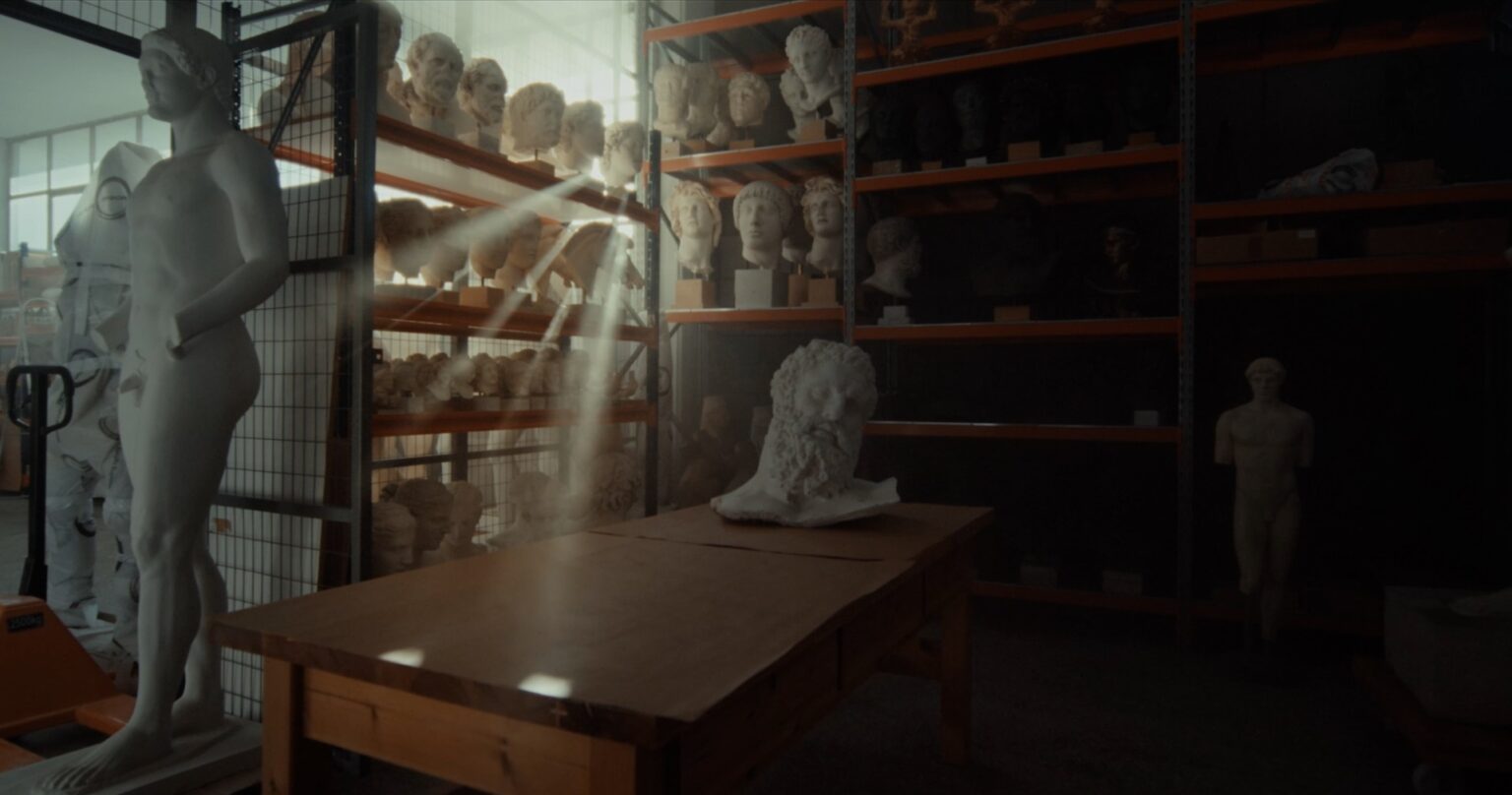
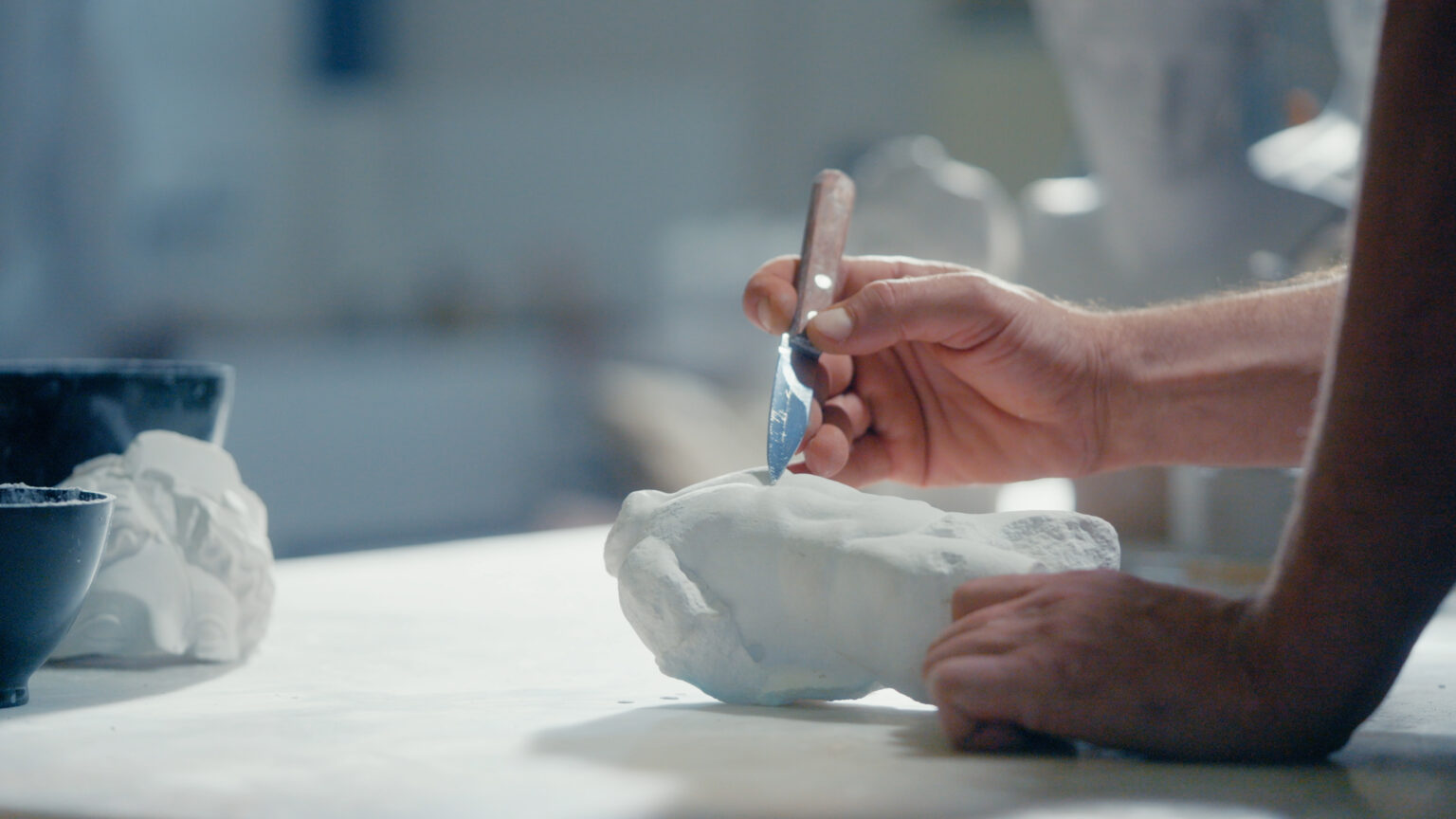
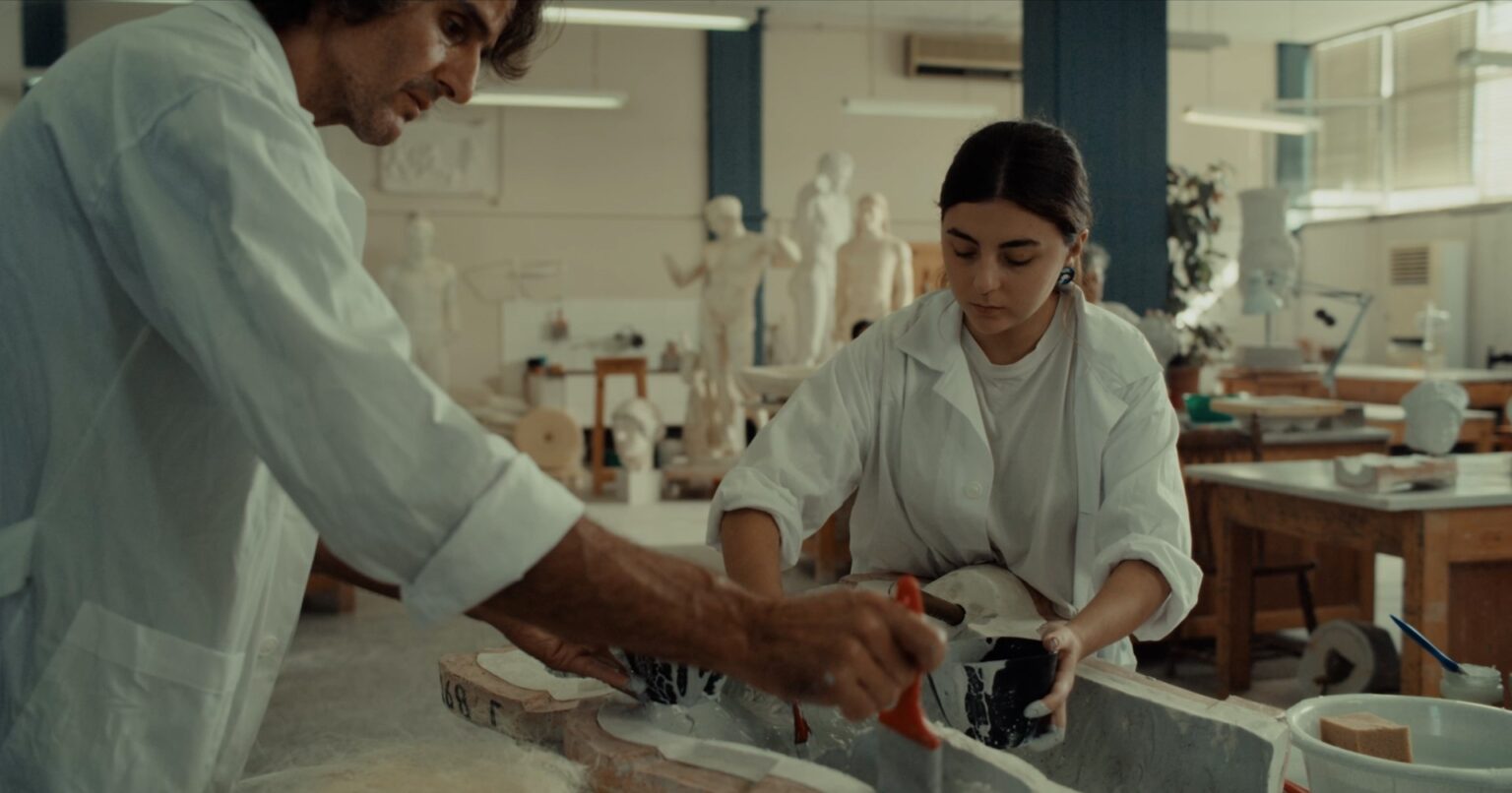
“Traditionally, there are two ways to make a cast: you either use a plaster or a rubber mold,” says Theodoros Kagiorgis, a conservator and moldmaker at the Acropolis Restoration Service. “We always begin the process on the original marble.” The mold is then used to cast a specific number of copies.” An exact copy holds many secrets,” says Vasilis Liolios, a conservator at the Hellenic Organization of Cultural Resources Development (ODAP)’s certified exact copy workshops. “It requires a lot of technique. How many people have the privilege of working off an original ancient statue? Only a handful, if we’re being honest”.
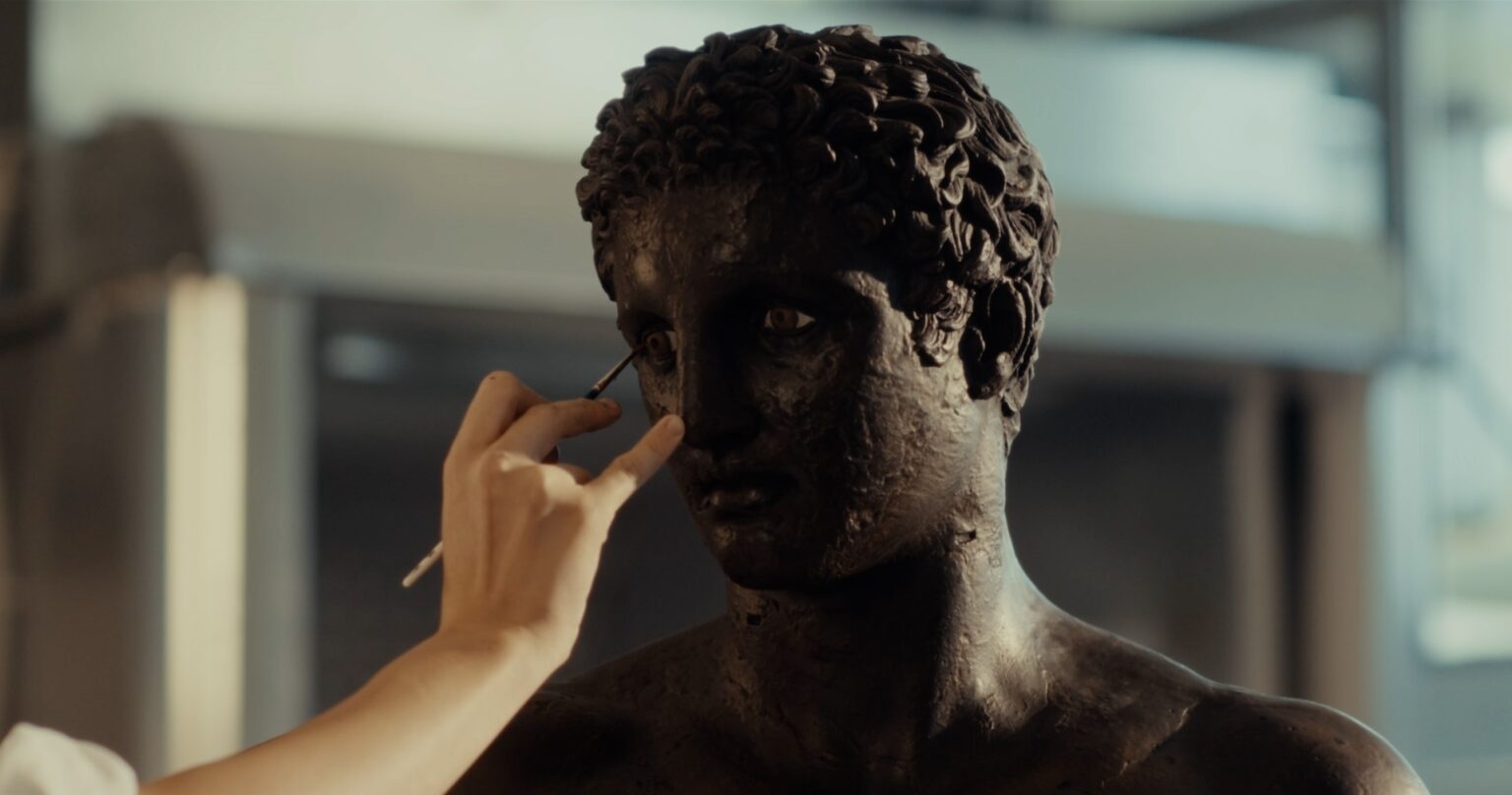
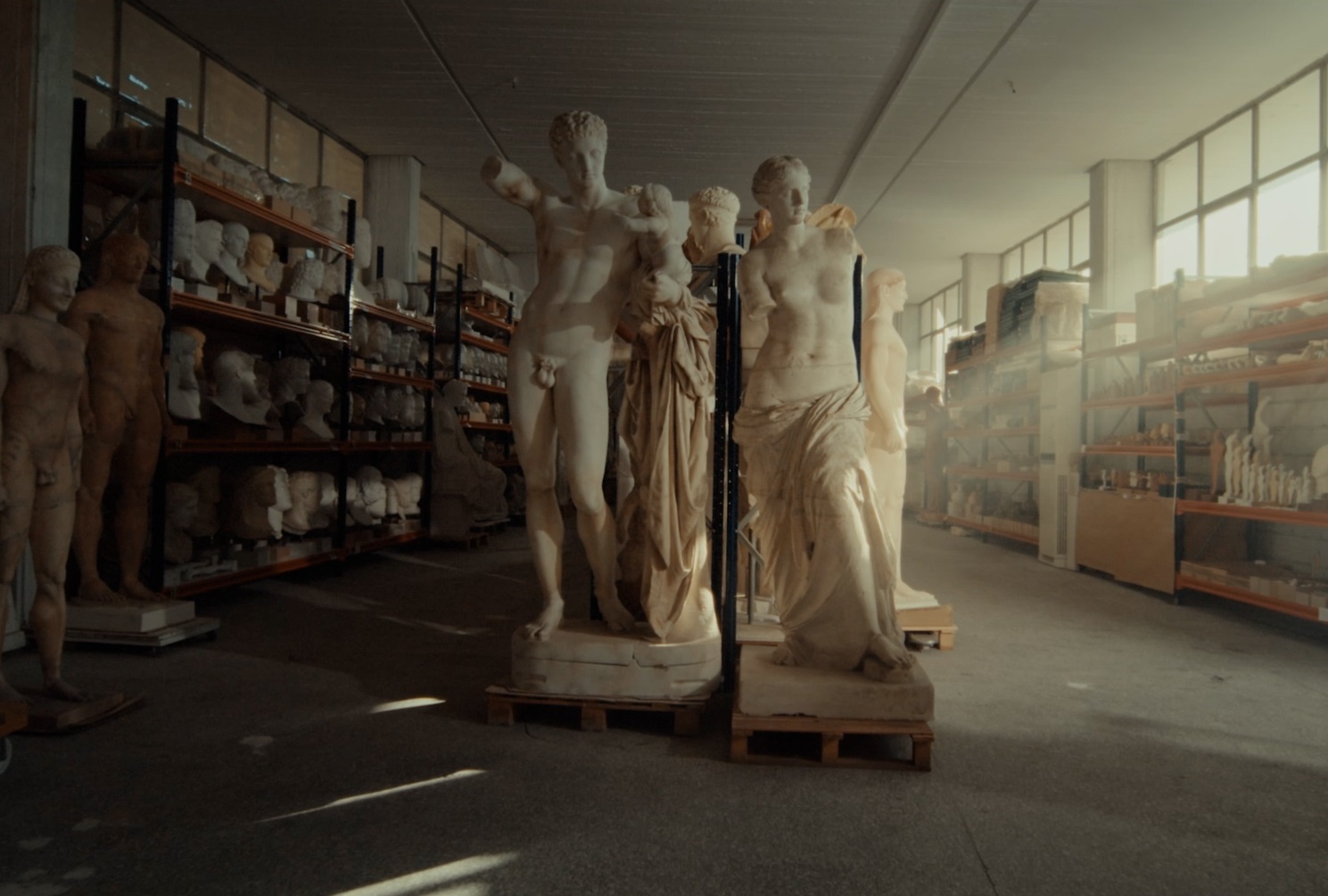
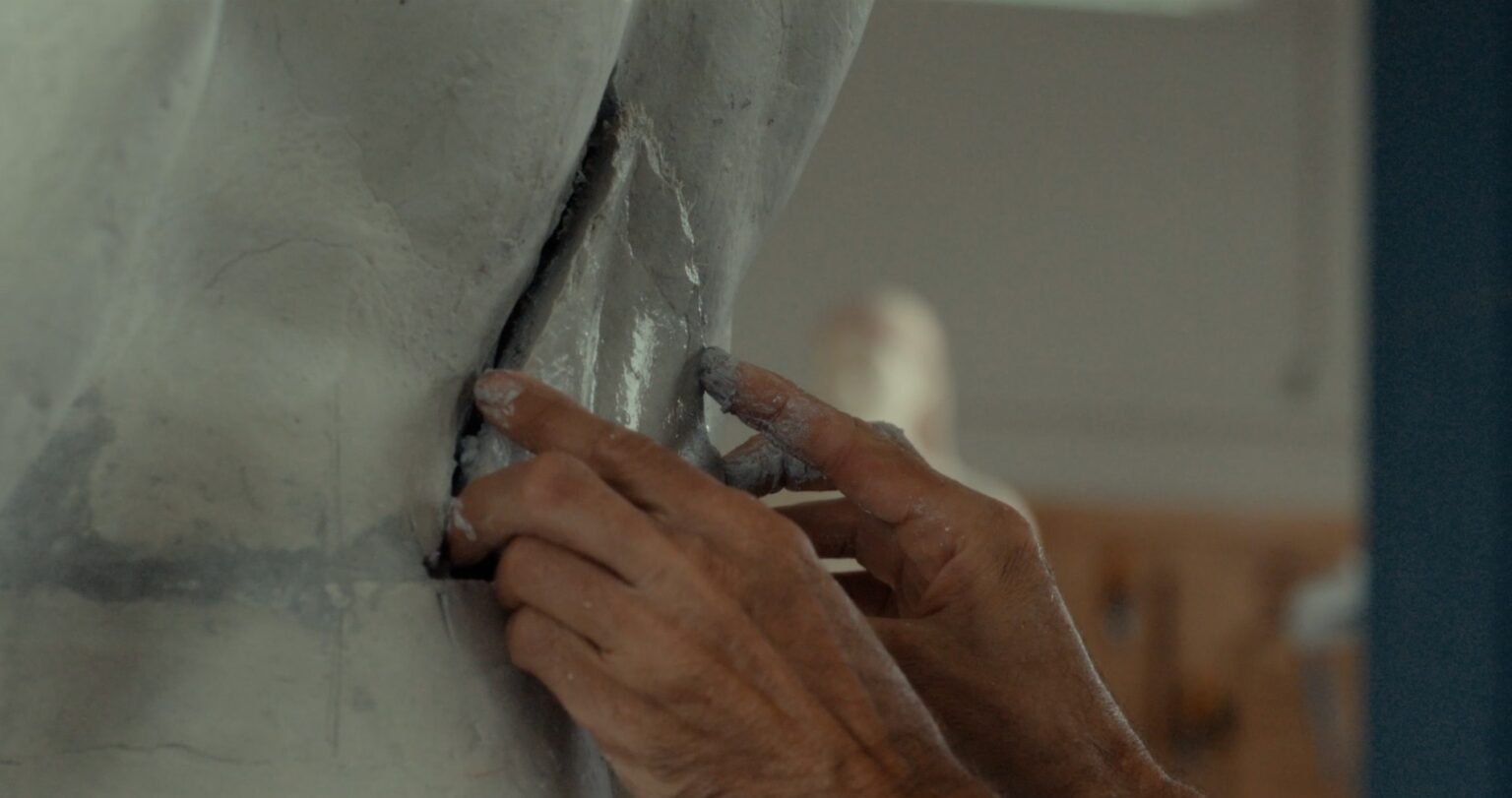
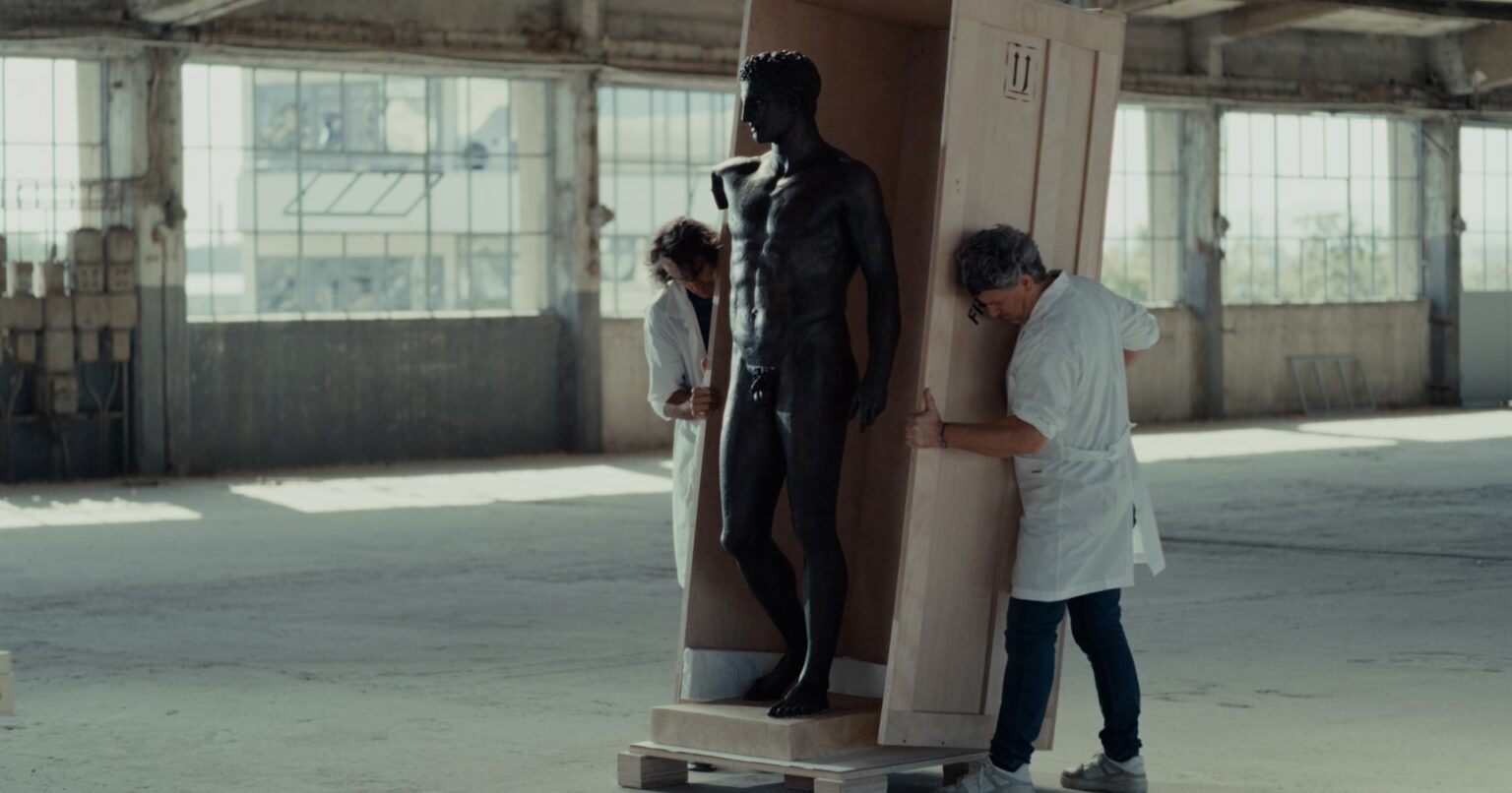
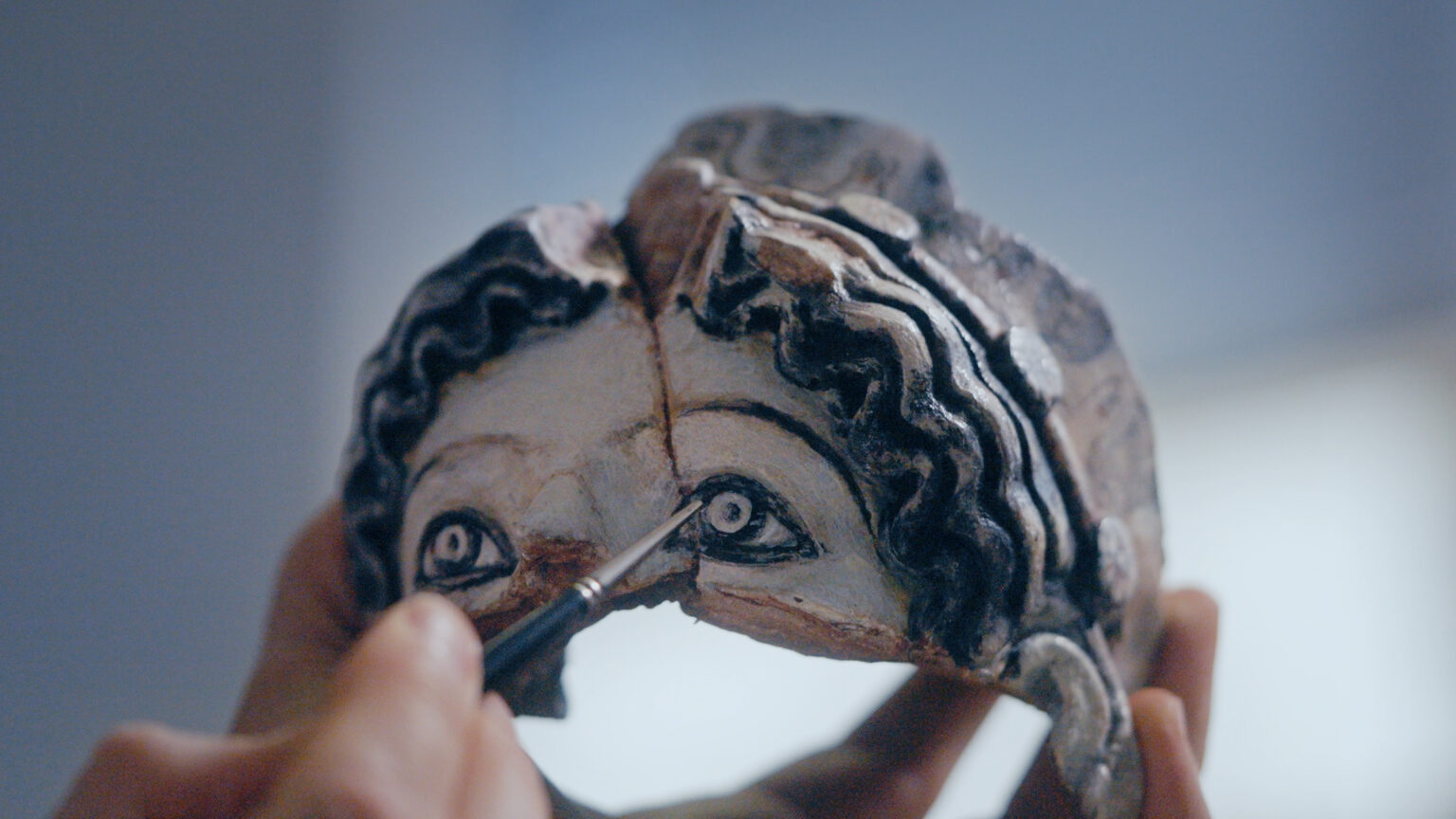
At first, the copy comes out of the mold looking deathly pale, which feels soulless and ungraceful. That’s where the painters come in. Their job is to mimic the wear and tear of time. To simulate bronze, they start off by apply a dark base coat and then add a variety of colors, iron filings and bit of ochre to create an effect so similar to the original, it’s hard to tell which is which. That’s what sets a good copy apart from a bad one: good patina and invisible seams.
Some artifacts, made of clay or glass, are too fragile to be handled, so they get 3D scanned to avoid any direct human contact. But at the end of the day, no matter the technique, an exact copy is a work of art in its own right. It’s a handcrafted object that’s imprinted with time. The time that went into making it, as each one is a true labor of love and the era it originated in, promoting ancient Greek heritage every step of the way.
Continue reading
Από τον κυκλαδικό πολιτισμό στη μοντέρνα τέχνη

Η κυκλαδική τέχνη με τον ανθρωποκεντρικό της χαρακτήρα – που αντανακλάται στην τελειότητα των αναλογιών και της φόρμας, την απλότητα της δομής και τη λιτότητα του υλικού – θεωρείται ότι επηρέασε έντονα τη γλυπτική των αρχών του 20ού αιώνα.
Η αρχαιολογία των Κυκλάδων
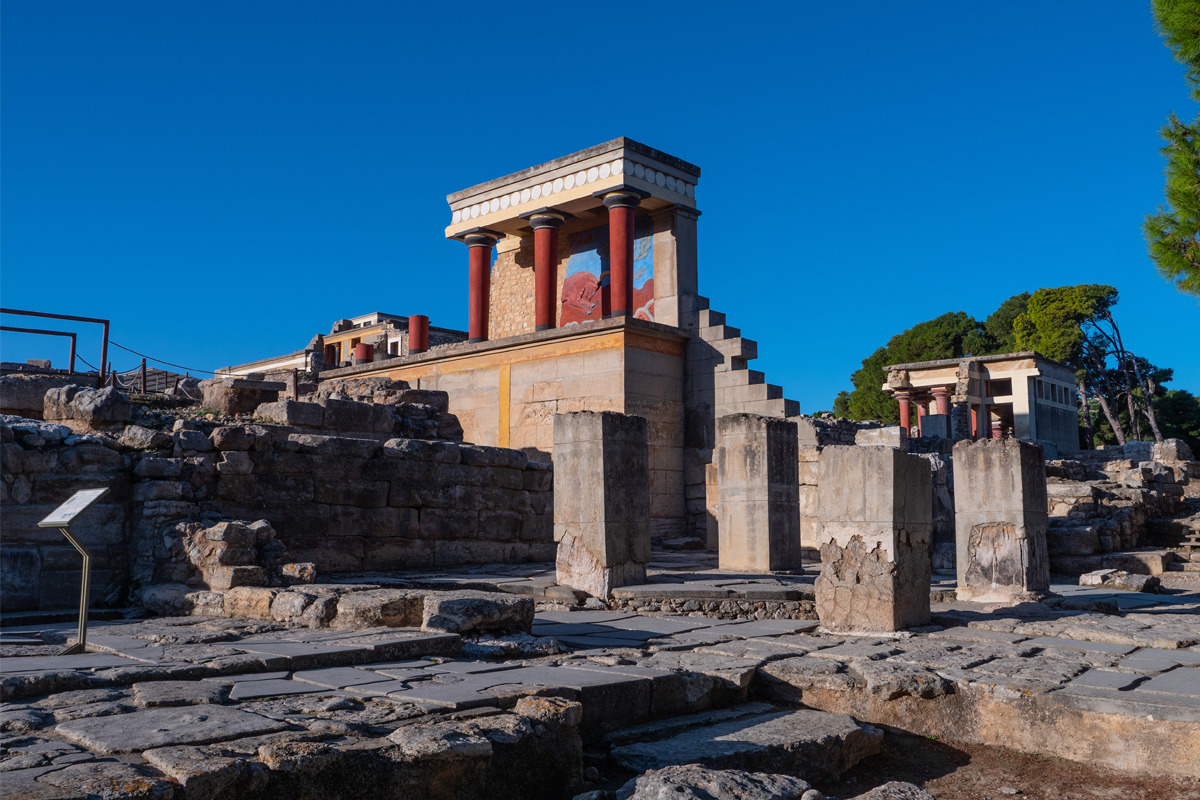
Η μετάβαση από την Νεολιθική Εποχή στην Εποχή του Χαλκού, στο τέλος της 4ης χιλιετίας π.Χ., σημαδεύεται από βαθιές τομές στον πολιτισμό και την οργάνωση των κοινωνιών του Αιγαίου.
The function and meaning of the cycladic figurines
The meaning and function of Cycladic figurines is somewhat of an enigma. In the absence of written records, any interpretation is based on archaeological finds and assumptions.